
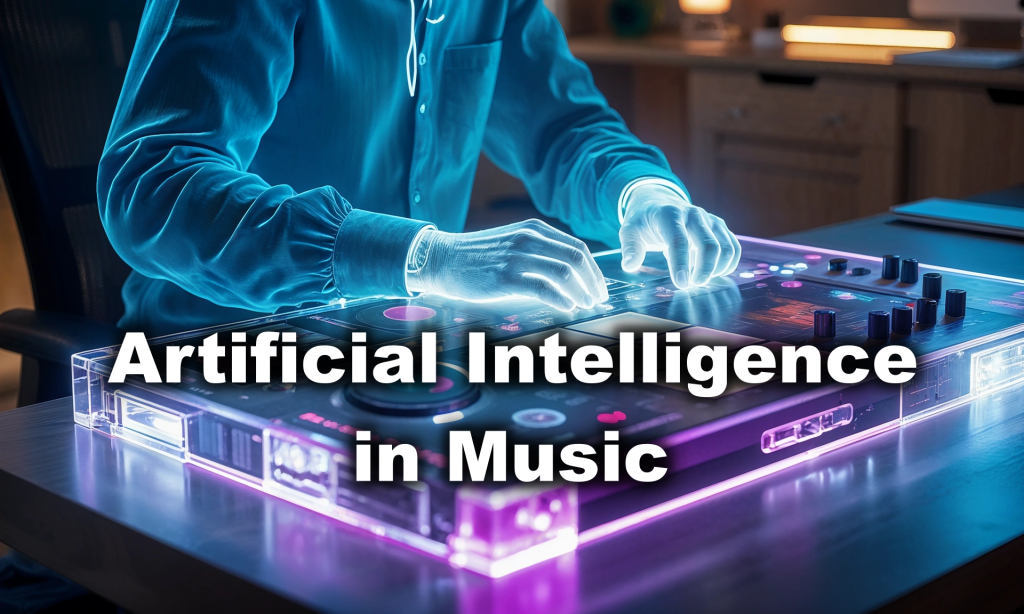
Ever wondered what AI looks like when using it in your music and videos?
Find Music spoke to LEA : Light Echoes Algorithm about this, but first it is important to understand who LEA is and what they do.
LEA combines original compositions with cutting-edge visuals to create an artistic experience. As bangers in the world of dance beats and electro innovation, LEA strives to connect people across the globe through the universal language of music. LEA’s sound fuses genres and styles, making every track a composition of emotion & energy.
We got to the nitty-gritty of AI in music and content creation with 10 questions, this is what LEA had to say…
What inspired you to incorporate AI into your creative process, and how has it changed the way you make music?
At my core, I’m a musician. I studied at the conservatory, spent years playing piano, worked as a DJ, and composed in multiple styles, mainly electronic music. I’ve released music under different names before, but LÉA is the culmination of years of engineering and research into AI’s potential in music creation. AI isn’t an endpoint; it’s a tool that pushes the boundaries of composition, mixing, and sound design. LÉA doesn’t replace the artist, it’s a creative partner, a co-composer that suggests ideas, structures, and atmospheres I might not have considered. That human-machine interaction is what makes the process so exciting.
You describe LEA as a ‘virtual persona’ that transcends traditional music presentation. How does this digital identity influence the way listeners engage with your work, and do you see virtual artists becoming more mainstream in the future?
LÉA isn’t just a digital avatar; it’s a fully developed artistic entity. Its identity merges music, visuals, and AI to create a fully immersive experience. Today, sound and image are inseparable, you need both to tell a story. With immersive technology evolving, virtual artists are becoming increasingly influential. It’s not just a trend; it’s a new artistic medium. The line between real and digital is blurring, making interactions with audiences more engaging than ever.
AI-generated vocals and compositions are becoming more sophisticated. Do you view AI as an extension of your artistic vision, or do you see it as more of a collaborator with its own creative input?
It’s a creative partner. I’m still the one in control, but AI introduces unexpected elements, fresh sonic textures, and ideas that I can refine or reshape. I see it as another musician in my studio, it doesn’t have emotions, but it helps me create them. It’s a constant dialogue between my artistic instinct and the machine’s unique suggestions.
Many artists worry that AI could replace human creativity. How do you ensure that AI remains a tool for innovation rather than a replacement for human expression in your music?
AI doesn’t have artistic intent, it doesn’t create on its own. Everything it generates depends on the data and parameters set by the artist.
My goal is to use AI to enhance my creative process, not to let it replace me. Emotion, storytelling, and energy, these are human qualities that machines can’t replicate. AI should elevate creativity, not take its place.
What are some of the most exciting AI tools or technologies you’re currently using in your workflow, and how do they enhance your production process?
I use highly specialized tools for audio and video, allowing me to work seamlessly across sound, imagery, and interaction. Exist a lots of customized technologies that push quality and creativity to another level as STABLE DIFFUSION,KLING or SORA..
The key is a holistic approach. To make a film, you need sound and visuals. To create a video, you need 25 frames per second. Everything connects. The years of engineering that went into LÉA have led to what it is today, so don’t be surprised if it blows people away.
The music industry is rapidly evolving, with AI opening up new possibilities for independent artists. What advice would you give to musicians looking to experiment with AI in their own work?
Experiment, explore, and don’t be afraid to push boundaries. AI isn’t just a cold, technical tool, it’s a creative playground. Every artist can find a unique way to incorporate it into their sound.
Most importantly, understand the tools you’re using. The better you grasp how AI works, the more you can shape it to match your artistic vision.
AI-generated content can sometimes raise ethical questions about originality and authorship. How do you approach these concerns in your work, and where do you think the industry should draw the line between AI assistance and artistic ownership?
For me, AI should transform, not copy. Everything I create with LÉA maintains a unique identity. It’s an extension of my music, not a statistical remix of existing data. The industry will soon need to define clear rules about intellectual property in AI-generated content. But ultimately, what matters most is having an authentic artistic approach and bringing something fresh to the table.
Beyond music production, AI is also transforming live performances and fan experiences. Do you see LEA evolving into an interactive virtual performance experience in the future?
Absolutely, and it’s already happening. With immersive and interactive technology, we can create concerts where the audience directly influences the performance in real time. LÉA could adapt its sound, visuals, and atmosphere based on the audience’s reactions. We’re only at the beginning of this revolution, but the potential is massive.
Your project blends multiple genres and futuristic themes. Do you think AI will lead to entirely new music genres, or will it primarily enhance existing styles?
Both. AI enables us to explore completely uncharted sonic territory and fuse genres in ways never done before. Some entirely new styles are already emerging thanks to AI’s capabilities. At the same time, it also helps refine and evolve existing styles, giving them new dimensions. It’s a tool for constant artistic evolution.
Looking ahead, where do you see AI’s role in music 5-10 years from now? Do you think it will redefine how artists, labels, and audiences interact with music?
AI will completely redefine how artists create and interact with their audience. Labels will have to adapt to these new dynamics, and listeners will experience more immersive and personalized music than ever before. It won’t replace artists, but it will radically transform how we compose, produce, and experience music. Those who learn how to harness it intelligently will have a huge advantage.
If you found this interesting and want to connect with LEA and check out what they do, then just follow their links below.
YouTube: https://www.youtube.com/@LEALightEchoesAlgorithm
Spotify: https://open.spotify.com/embed/playlist/5CNtPt9TjqQag46Cq5QUZN



 FIND MUSIC
Leave a comment